This is general information, not a diagnosis. Persistent or worsening breathing symptoms need a medical assessment.
What commonly irritates the airways
- Tobacco smoke, including secondhand smoke and vaping aerosol.
- Outdoor air pollution and wildfire smoke.
- Indoor irritants such as dust, mold, strong cleaning products and cooking fumes.
- Seasonal allergies and respiratory infections.
- Dry air in heated or air-conditioned rooms.
Everyday habits that are worth considering
Reduce what hurts
- If you smoke, ask your doctor about quitting support or visit Smokefree.gov.
- Check the air quality forecast at AirNow and limit hard outdoor exercise on poor-air days.
- Ventilate when you cook or clean, and keep humidifiers clean.
Support what helps
- Stay hydrated and keep moving with activity your doctor says is suitable.
- Ask your doctor about vaccines that protect against respiratory infections.
- Ask a clinician about breathing techniques such as pursed-lip or diaphragmatic breathing. The American Lung Association has patient resources.
If your mornings start with phlegm
Occasional morning mucus is common, especially with allergies, a recent cold or smoking. If it is frequent, thick, colored, bloody or comes with breathlessness, ask your doctor. A cause such as reflux, post-nasal drip, asthma or chronic bronchitis needs a proper diagnosis, and the right treatment depends on it.
Track your symptoms for four weeks
| Each day, note | Why |
|---|---|
| Cough and phlegm (none, some, a lot) | Shows the pattern over time |
| Breathlessness on stairs or a walk | A practical measure of how you feel |
| Sleep disturbed by cough or breathing | Signals impact on daily life |
| Triggers (smoke, pollen, cold air, a new product) | Helps your doctor find causes |
| Anything new you started | So changes are not misattributed |
Bring the log to your appointment. It is far more useful than memory.
Warning signs
A quick indoor-air checklist
- Use the kitchen exhaust fan when cooking and open a window when you clean.
- Do not allow smoking indoors and avoid strongly scented sprays and candles if they bother you.
- Keep an eye out for damp patches or mold, and fix leaks quickly.
- Clean humidifiers as the manufacturer directs so they do not spread mold.
- Vacuum regularly, ideally with a HEPA filter if dust triggers you.
Breathing exercises: what to know
Techniques such as pursed-lip breathing and diaphragmatic breathing are commonly taught by respiratory therapists and pulmonary rehabilitation programs, especially for people with chronic lung conditions. They are best learned from a qualified clinician, who can check that the technique suits your situation.
Routine versus urgent
| Situation | What to do |
|---|---|
| A cough or phlegm that comes and goes with colds or allergies | Mention it at your next routine visit. |
| A cough lasting more than three weeks, or breathlessness that is gradually worsening | Book an appointment soon. |
| Severe breathlessness, chest pain, coughing blood or blue lips | Call emergency services. |
Preparing for a doctor's visit
- Bring your symptom log and a list of all medicines and supplements.
- Note when symptoms started and what makes them better or worse.
- Mention smoking history, workplace dust or fumes, and family history.
- Ask which tests, such as spirometry, might help find the cause.
Small changes to try alongside medical advice
Choosing a quiet, smoke-free sleeping space, washing bedding regularly if allergies are involved, and pacing activities on high-pollen or poor-air days are practical steps many people find helpful. None of them replaces an assessment, but they are low cost and worth discussing with your clinician.
See a doctor, not a supplement, if you have: shortness of breath that is new or getting worse, chest pain or tightness, wheezing that does not settle, coughing up blood, fever with breathlessness, blue or grey lips, or a cough that has lasted more than three weeks. For severe breathing trouble, call your local emergency number.
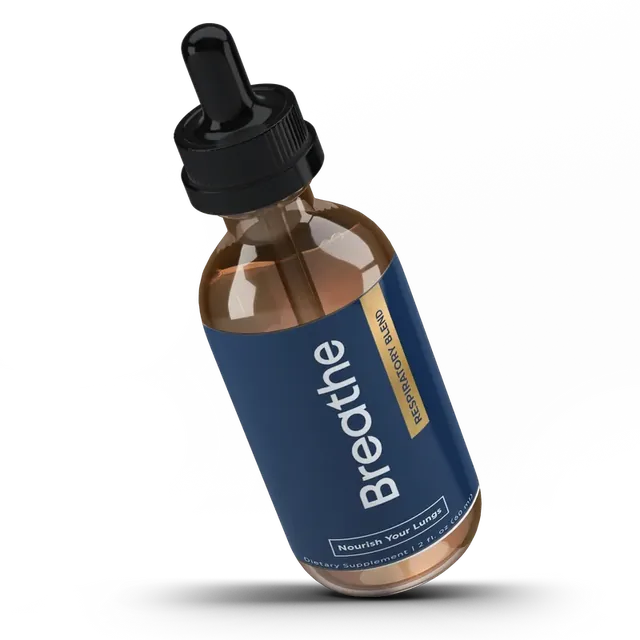
If you are thinking about a supplement such as Breathe, read what the evidence can show and the safety guide first, and tell your doctor.
Thinking about Breathe?
Read the safety and evidence pages first, talk to your doctor, then check the seller's live terms.
Check Current PriceMoney-back guarantee · one-time purchase · no subscription, per the seller. Confirm terms at checkout.
 ★BEST
VALUE